1. A small hotel PMS connects reservations, OTA channels, room status, and reporting into one system — eliminating the daily tab-switching across platforms.
2. The features front desk staff open most often are the reservation calendar, check-in/out workflow, and live room status view.
3. OTA channel sync is the single feature that prevents double bookings without manual updates to each platform.
4. Small hotels need simplicity and fast setup, not enterprise features their staff will never touch.
5. PMS pricing for small properties starts as low as $5/room/month — the cost is lower than most owners expect.
What a PMS Actually Does for a Small Hotel
A Property Management System (PMS) is the software that runs daily hotel operations — reservations, room assignments, check-ins, rate management, and OTA connections in one place. For a small hotel, that matters more than it does for a large chain, because your team is smaller and every tool needs to pull its weight.
Most small properties run on a combination of booking platform calendars, spreadsheets, and a paper log at the front desk. A small hotel PMS replaces that stack. When a guest books through Booking.com, the reservation lands directly in your PMS calendar. Room availability updates automatically. Nothing needs to be transferred or entered manually.
The gap between an enterprise PMS and one suited for a 15-room property is not the feature list. It is how many of those features a real front desk agent will actually open on a typical Tuesday morning.
The Front Desk Features That Run the Day
When your front desk staff starts their shift, they need three things right away: who is checking in today, which rooms are ready, and whether any bookings came in overnight. A well-built PMS surfaces all three on a single screen.
Reservation Calendar
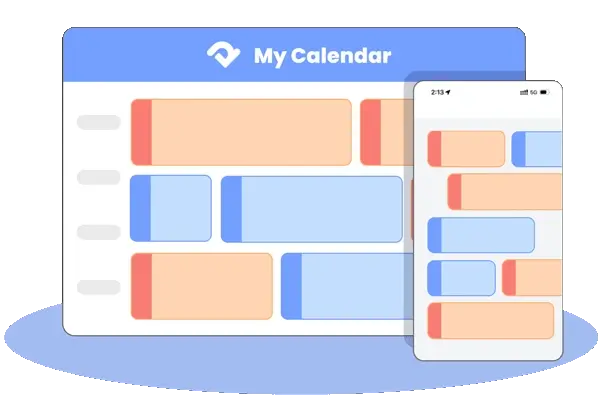
The reservation calendar is the feature your team lives in. It displays every booking across all room types, organized by date — typically in a drag-and-drop grid view. Staff can see multi-night stays, flag unconfirmed reservations, and move a guest to a different room without touching the OTA platform.
For a 12-room guesthouse, this means no more cross-referencing your Booking.com calendar against a personal spreadsheet every morning. Direct bookings and OTA bookings appear in the same place, in the same format.
Check-In and Check-Out Management
When a guest arrives, the PMS handles check-in: confirming room assignment, logging payment status, and recording the guest's details. At checkout, the system closes the folio, captures any outstanding charges, and marks the room as vacant so housekeeping gets the signal immediately.
The practical benefit is time. A small hotel with one front desk agent during a busy afternoon arrival window cannot afford to toggle between systems. A properly configured PMS gets the check-in process done in under two minutes per guest.
Room Status View
Room status tracking shows your front desk which rooms are clean, dirty, or under maintenance — updated in real time. When a cleaner marks a room as ready from their phone or a shared tablet, the front desk sees it immediately and can assign an early-arrival guest without calling across the property.
This removes a specific category of error: rooms being assigned before cleaning is finished, or maintenance issues going unseen before a new arrival. These happen regularly in properties managing status on a whiteboard or by phone.
OTA Channel Sync — The Feature That Prevents Costly Mistakes
A double booking costs more than a refund. A guest who arrives to find no room available rarely comes back, and almost always leaves a public review. For a small hotel, one bad weekend can set back months of reputation work.
OTA channel sync is the small hotel PMS feature that makes this stop happening. When your PMS connects to Booking.com, Agoda, Airbnb, and other platforms, every confirmed booking automatically reduces your available inventory across all other channels. You do not need to log into each platform separately to update room counts.
The same logic applies to rate changes. If you close a discounted rate for an upcoming weekend because you are already at 80% occupancy, one update in your PMS pushes that change to all connected OTAs at once.
For properties running a manual OTA workflow, this is usually the feature with the clearest time payoff. A hotel connected to three OTA channels and managing rates manually can spend two to three hours per week on that process alone. Channel sync brings it to minutes.
When a guest books through Booking.com, Smart Order automatically updates your room availability and revenue dashboard — no manual sync, no separate platform logins. The OTA → PMS data flow runs in the background so your front desk can focus on guests instead of screens.
Stop Updating OTAs Manually
Smart Order syncs your reservations, availability, and rates across Booking.com, Agoda, Airbnb, and more — all from one dashboard. Free plan available.
Reporting Features Worth Your Time
Most small hotels do not need a 40-report analytics suite. They need three numbers: how many rooms are occupied tonight, what the average daily rate is, and which booking channel is generating the most revenue.
A PMS reporting module should surface those numbers in under 30 seconds. The reports that actually get used at small properties are:
- Occupancy by date — daily and weekly occupancy rate across room types
- Revenue by channel — how much came from Booking.com, Agoda, Airbnb, and direct bookings
- ADR and RevPAR — average daily rate and revenue per available room for any date range
The channel revenue breakdown is where the reporting pays for itself. If Booking.com is consistently delivering lower net revenue than your direct bookings after commission, you can see that clearly and adjust — raising OTA rates slightly, or pushing harder on your direct booking engine during peak demand periods.
Key Factors When Choosing a PMS for a Small Hotel
The core features above are available across most modern PMS platforms. The real differentiators come down to operational fit.
- Setup speed. A small hotel cannot wait three months for implementation. A PMS that connects to your OTA channels within a day or two and has live support during setup is worth more than one with a longer feature list and a slow onboarding process.
- Pricing at your property size. Most PMS platforms charge per room per month. At 10–20 rooms, the difference between $3 and $10 per room is significant. Check whether the channel manager and booking engine are included in the base price or billed as add-ons.
- Ease of use for non-technical staff. Your front desk agent needs to check in a guest during a busy arrival window, not learn a new interface under pressure. A PMS that takes more than a week to get comfortable with is too complex for a small property team.
- Mobile access. For small hotel owners who are on-property but not always at the front desk, being able to check reservations, new bookings, and room status from a phone is practical — not a luxury.
- Small hotel PMS integration with your existing tools. If you already use a payment provider or a specific OTA channel not covered by the channel manager, confirm integration support before committing.
Frequently Asked Questions
What is a PMS for a small hotel?
A small hotel PMS is software that manages reservations, room assignments, check-in and check-out, OTA channel sync, and basic reporting in one system. It replaces a combination of spreadsheets, booking platform calendars, and manual processes so your front desk operates from a single dashboard rather than multiple disconnected tools.
How do small hotels use PMS tools for front desk tasks?
Small hotels use a PMS to run the daily front desk workflow: viewing today's arrivals on the reservation calendar, confirming room assignments, processing check-ins, tracking real-time room status from housekeeping, and handling checkouts. New bookings from OTAs appear in the same system, which removes the need to manually check each channel separately.
Do small hotels need a channel manager or a PMS?
Most small hotels need both — but many modern PMS platforms include a built-in channel manager. A standalone channel manager syncs your OTA inventory but does not handle reservations, check-in, or reporting. A PMS with an integrated channel manager covers all of that in one place. For a small property, a combined system is more practical than managing two separate tools.
What is the best simple PMS for small hotels?
The best PMS for a small hotel is one that connects to your OTA channels quickly, has a clear reservation calendar, and does not require technical staff to operate. Platforms like Smart Order offer a free starting plan that covers core front desk and channel management needs, with paid tiers beginning at $5/room/month as the property scales.
What should a small hotel PMS cost?
For a 10–20 room property, a PMS typically costs between $50–$200 per month depending on the platform and what is included. Some platforms bundle the channel manager and booking engine in the base price; others charge for them separately. Smart Order's Essential plan is free, which makes it one of the more practical starting points for small independent hotels evaluating their first PMS.
For small hotels still running on manual processes or disconnected tools, the shift to a PMS is primarily about recovering time. OTA channel sync, reservation tracking, and room status updates are the features that deliver the most immediate return — because they eliminate the daily manual work that quietly adds up to several hours each week.
Run Your Small Hotel From One System
Smart Order's PMS connects front desk operations, OTA channels, and reporting without the enterprise price tag. Free plan available for small independent properties.