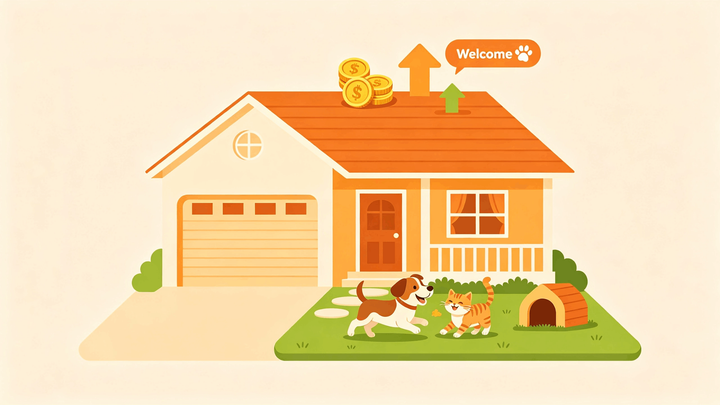
1. A pet-friendly Airbnb can increase visibility, occupancy, and average booking value when the property is set up for safe, low-friction stays.
2. Profit depends on clear pet rules, durable furnishings, smart cleaning workflows, fair pet fees, and accurate guest communication.
3. Hosts must separate ordinary pets from service animals and follow Airbnb's accessibility policy and local law.
A pet-friendly Airbnb can be a strong revenue move. Travelers search for pet-friendly Airbnb rentals because they do not want to leave a companion behind, and many will pay more for a property that feels prepared.
But allowing pets without a plan can create damage, cleaning delays, neighbor complaints, and review problems. The goal is to attract responsible guests, protect your asset, and make every pet stay predictable.
This guide explains how to turn your property into a profitable pet-friendly Airbnb, from setup and rules to cleaning, pricing, operations, and guest communication.
Why Pet-Friendly Airbnb Listings Can Earn More
Pet-friendly Airbnb demand is practical. Guests searching with a pet filter have fewer suitable options, especially in beach towns, mountain destinations, road trip markets, and extended-stay locations.
That smaller supply can help your listing stand out. A guest comparing similar homes may choose the one that welcomes pets, explains the rules, shows outdoor space, and lists nearby walking areas.
Pet-friendly stays can also increase booking length. Guests traveling with pets often prefer fewer property changes, easier parking, private outdoor access, and longer stays.
The upside is real only if the property is prepared. If floors, furniture, rules, and cleaning are not ready, extra revenue can disappear into repairs and refunds.
Step 1: Decide Which Pets You Can Actually Host
Do not make a broad promise if the property cannot support it. Define the pet types, size limits, number of pets, and practical restrictions your space can handle.
A small apartment with shared hallways may only suit one small pet. A fenced cottage may handle two. A rural cabin may need rules around wildlife, ticks, mud, and off-leash behavior.
Consider flooring, furniture durability, outdoor space, fencing, neighbor proximity, noise sensitivity, stairs, balconies, pools, cleaning time, local rules, HOA rules, and insurance coverage.
If your property is not suitable for pets, do not force it. A profitable pet-friendly Airbnb starts with fit, not wishful thinking.
Step 2: Build a Pet-Proof Property Setup
Pet-friendly does not mean fragile. It means prepared.
Choose washable rugs, durable flooring, removable sofa covers, mattress protectors, and easy-clean throws. Avoid white upholstery, exposed cords, unstable lamps, and low shelves with breakable items.
Set up a simple pet welcome kit if the market supports it: bowls, waste bags, an entry towel, a lint roller, and a short local pet guide.
Also think about arrival. Clear entry instructions, a visible pet towel, and an obvious outdoor relief area reduce confusion.
Step 3: Write Pet Rules That Protect the Stay
The best pet rules are specific, visible, and easy to follow. Avoid vague lines like "pets must behave." Tell guests what you expect.
Useful rules cover the maximum number of pets, allowed pet types, size limits, unattended pets, leash requirements, furniture and bed rules, waste disposal, noise, and damage reporting.
If pets are not allowed on beds or sofas, provide a pet blanket or bed. If pets may be left alone only when crated, say that before booking. If the yard is not fully fenced, state it.
Rules should not feel hostile. The tone should be practical: "We welcome pets and ask guests to follow these rules so the home stays comfortable for everyone."
Step 4: Understand Pet Fees and Service Animals
Airbnb lets hosts add a pet fee for home listings, but service animals are different. Airbnb's help center states that service animals stay for free. If a service animal damages property, hosts may request payment through the Resolution Center or AirCover process, but they cannot treat the service animal as an ordinary pet fee.
Airbnb's accessibility policy also distinguishes emotional support animals from service animals. In many locations, hosts may charge normal pet fees for emotional support animals or decline them if they do not accept pets, unless local law or platform policy says otherwise.
The practical rule is simple: keep your pet fee policy clear, but do not apply ordinary pet restrictions or fees to service animals. If unsure, review Airbnb's current accessibility policy and local law.
Pet fees should be fair and tied to real costs. A fee for cleaning, lint removal, odor control, and wear is easier to justify than a random surcharge.
Step 5: Create a Cleaning Workflow for Pet Stays
Pet-friendly revenue depends on cleaning discipline. Future guests should not feel that a pet stayed before them.
Build a cleaning checklist for pet stays: vacuum sofas, under beds, rugs, and corners; wash throws and removable covers; inspect floors and outdoor areas; remove hair from vents and baseboards; check odor; and photograph damage before contacting the guest.
Cleaning time may increase. Price and scheduling should account for that. If turnover is tight, allow more buffer after pet stays.
For multi-property operators, label pet-friendly units clearly in your PMS or cleaning system so staff know when extra supplies or pet cleaning are needed.
Step 6: Make the Listing Attractive to Pet Owners
Guests searching for a pet-friendly Airbnb want proof, not just a checkbox.
Show pet-relevant details in photos and copy: fenced yard, patio, washable floors, walking routes, bowls, easy parking, mudroom, or ground-floor access. Mention local parks, trails, groomers, or emergency vets if relevant.
Your description should answer the questions pet owners ask before booking:
Where can pets sleep?
Explain whether pets are allowed on furniture, beds, crates, or provided blankets.
Can pets be left alone?
Say whether pets may be left unattended, and under what conditions.
Is the outdoor space secure?
If the yard is fenced, say so. If it is not fully enclosed, say that too.
What does the pet fee cover?
Explain that the fee supports extra cleaning and turnover work.
This transparency attracts responsible guests and reduces pre-booking messages.
Step 7: Track Profit, Not Just More Bookings
A pet-friendly Airbnb should be measured by net result. More bookings are not automatically better if cleaning, damage, and complaints rise faster than revenue.
Track pet stays separately from non-pet stays. Compare occupancy, ADR, pet fee revenue, cleaning time, damage claims, reviews, and repeat bookings.
Smart Order helps hosts centralize reservations, OTA channels, direct bookings, payments, and reporting. When bookings come from Airbnb, Booking.com, Agoda, or your direct booking engine, the team can see revenue and occupancy in one dashboard. That makes it easier to compare whether pet-friendly stays improve profit after costs.
Track Pet-Friendly Revenue Without Spreadsheet Drift
Smart Order connects OTA reservations, direct bookings, payments, and reporting so hosts can compare channel revenue, occupancy, and operational costs in one dashboard.
Common Mistakes to Avoid
The first mistake is allowing pets without changing the setup. The second is writing rules guests only see after booking. The third is underpricing cleaning time. The fourth is ignoring service animal rules. The fifth is failing to document damage quickly.
Most problems come from unclear expectations. If a pet-friendly home does not allow pets on sofas, beds, or alone all day, say so before booking.
FAQ About Pet-Friendly Airbnb Listings
Is making an Airbnb pet-friendly worth it?
It can be worth it if your market has pet-travel demand and your property can handle the cleaning, rules, and wear. Track net profit, not just occupancy.
Can Airbnb hosts charge a pet fee?
Yes, Airbnb allows pet fees for home listings. Service animals are different and stay for free under Airbnb's policy.
What should a pet-friendly Airbnb include?
Useful items include washable covers, bowls, waste bags, entry towels, clear rules, durable floors, and local recommendations.
Can I refuse pets on Airbnb?
Hosts can generally choose whether to allow ordinary pets, subject to platform rules and local law. Service animals must be handled under Airbnb's accessibility policy.
How do I reduce damage in a pet-friendly Airbnb?
Use durable materials, set clear rules, limit pet types or count where appropriate, increase cleaning checks, document damage, and communicate expectations before arrival.
Final Takeaway
A profitable pet-friendly Airbnb is not created by toggling on "pets allowed." It is created by matching the property to the right guests, setting clear rules, pricing the extra work, and cleaning well.
When pet-friendly demand is strong, the right setup can increase visibility, occupancy, and guest satisfaction. Treat pets as part of the operating model, not as an afterthought.