1. Multi-property operators need centralized dashboards, cross-property reporting, and unified OTA sync — not separate logins per hotel.
2. The biggest mistake is choosing a single-property tool and trying to scale it across a portfolio.
3. Key platforms to consider: Cloudbeds, Mews, Oracle OPERA Cloud, and Smart Order for continuous upgrading properties.
4. Total cost of ownership matters more than the base subscription — factor in onboarding, integrations, and per-room fees.
Why Managing Multiple Properties on Separate Systems Breaks Down
Running two hotels on separate software feels manageable at first. You log into Property A, check reservations, switch tabs for Property B, export a spreadsheet, then reconcile manually. By the time you have five properties, that process takes an entire morning.
The Hidden Cost of Disconnected Hotel Software
The problem is not just the time. It is the decisions you make — or delay — because the data is never in one place. Your revenue manager cannot quickly compare ADR across properties without emailing each GM for a manual export. Your front desk staff cannot see whether a guest has stayed at your other location before.
Over 65% of hoteliers say the lack of integration between tools is their biggest operational challenge. And the cost shows — disconnected systems can eat into nearly 15% of revenue through lost bookings, pricing errors, and staff inefficiency.
What Breaks as Your Portfolio Grows
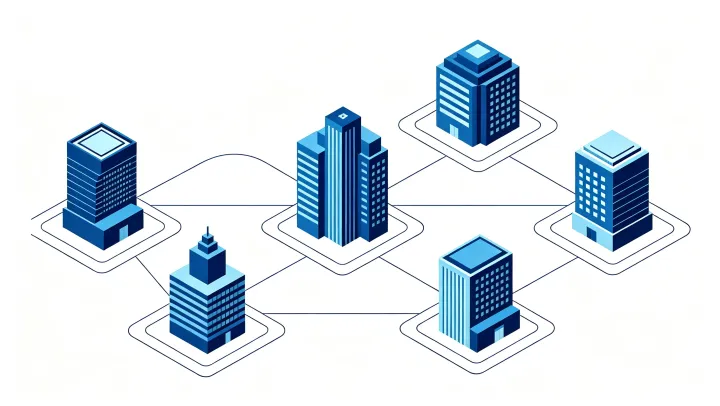
Single-property tools are not designed to scale. Rate updates pushed to one property do not automatically apply to the others. OTA inventory gets out of sync. Guest profiles exist as separate records across locations. Staff permissions cannot be configured by property.
None of this is a bug. It is a design limitation. Multi-property hotel management software is built around a different assumption: that your portfolio is the unit of operation, not the individual hotel.
What Multi-Property Hotel Management Software Actually Needs to Do
Not all hotel software marketed as "multi-property" delivers the same capability. Before evaluating platforms, get clear on what your operation actually requires.
A genuine multi-property system must handle:
- Centralized dashboard — view occupancy, ADR, and RevPAR across all properties in one screen, not through separate logins
- Cross-property guest profiles — recognize returning guests and surface their stay history at any location
- Unified OTA channel distribution — push rate and inventory updates across all properties simultaneously, preventing overbooking
- Role-based permissions — give property managers access to their own data without exposing portfolio financials
- Consolidated reporting — compare performance across properties without manual exports or spreadsheet reconciliation
If a platform requires you to log in separately per property for basic reporting, it is a single-property tool with a multi-property label.
Top Hotel Management Software for Multi-Property Operators
Cloudbeds — Best All-Around for Growing Groups
Cloudbeds handles bookings, front desk, payments, and OTA distribution in one platform. Its multi-property module gives operators a consolidated portfolio view, with over 500 third-party integrations for flexibility. An AI-driven pricing tool adjusts rates based on demand signals across properties.
It suits independent hotel groups scaling from 2 to 20+ properties. Pricing starts around $108/month per property, with per-room costs varying by portfolio size.
Mews — Best Cloud-Native for Mid-Size Chains
Mews was named the #1 Property Management System for 2026 by Hotel Tech Report. It unifies bookings, housekeeping, payments, and guest communications in one workspace. Its multi-property and brand-tier plans are designed for chains that need strong day-to-day PMS basics alongside portfolio-level oversight.
Pricing is custom at the portfolio level. The open API architecture makes it a strong choice if you rely on third-party revenue management or CRM tools.
Oracle OPERA Cloud — Best for Enterprise and Large Chains
Oracle OPERA Cloud operates across 233 countries, supporting 21 languages and all global currencies. Large international chains — Accor, Hyatt, and Marriott among them — use it as their primary Property Management System (PMS). It provides multi-property dashboards with live occupancy rates, shared guest profiles across the portfolio, and granular corporate reporting.
Pricing starts around $6–$8 per room. Implementation timelines and onboarding costs are significant — this is a long-term infrastructure investment, not a plug-and-play tool.
Smart Order — Best Cost-Effective PMS for Continuously Expanding Portfolios
For hotel groups that need a capable, affordable entry point, Smart Order offers one of the most accessible pricing structures in the market. The Essential plan is free, which makes it practical for operators adding a second or third property without committing to enterprise pricing upfront. Paid tiers start at $5/room/month under the Professional plan.
What makes it relevant for multi-property operators is the OTA integration layer. When a guest books through Booking.com or Agoda, Smart Order automatically updates room availability and revenue across your dashboard — no manual sync required. For groups with properties targeting the Asian market, it also connects with WeChat, REDNote, and Alipay, which most Western-built PMS platforms do not support natively.
It is a strong fit for operators in continuous growth mode — adding properties incrementally and needing a system that scales without locking them into enterprise-level costs too early.
The Real Cost of Hotel Management Software at Scale
The headline subscription price rarely reflects what you will actually pay. For multi-property operators, the total cost of ownership includes several factors that vendors do not always lead with.
Per-room pricing compounds quickly across a portfolio. A platform priced at $10/room/month costs $5,000/month for a 500-room portfolio. Onboarding and data migration fees are often quoted separately. Integration costs for your channel manager, payment processor, or revenue management system add up — especially if each connection requires a paid middleware or third-party connector.
Support tier is another variable. Enterprise-level SLA and dedicated account management are typically reserved for higher-tier plans. If your portfolio spans multiple time zones, the support coverage hours matter more than most vendors advertise.
The right question is not "what does this software cost?" It is "what does this software cost when we have 10 properties, full OTA connectivity, and need live reporting at 6am on a Monday?"
How to Read Cross-Property Reports Without Exporting Manually
This is where most multi-property operators feel the gap most acutely. A GM at Property C cannot generate a portfolio summary. The operations director asks each property manager to send weekly numbers. Someone builds a spreadsheet. By the time it is assembled, the data is three days old.
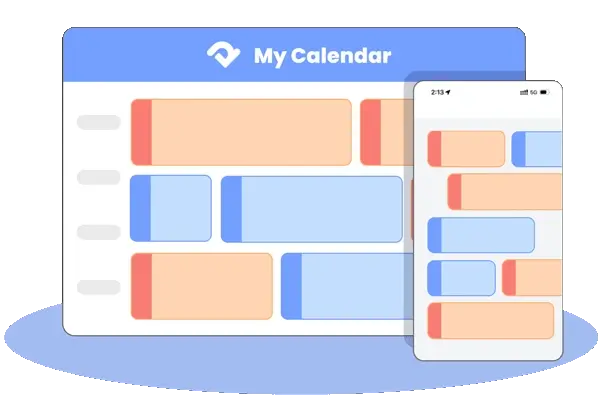
A proper multi-property PMS gives your operations team one consolidated view. When a booking comes in through any OTA or direct channel, it enters the system in real time — updating occupancy, revenue, and availability simultaneously across all connected properties. Your team can compare RevPAR across five properties at 8am without sending a single email.
Smart Order's cloud PMS works this way. All OTA bookings — Booking.com, Agoda, Airbnb, and others — flow into one dashboard. You can see which property is underperforming by channel, adjust pricing accordingly, and confirm the update is live across all your distribution within minutes.
See All Your Properties in One Dashboard
Smart Order syncs OTA bookings, occupancy, and revenue across your entire portfolio in real time — no manual exports, no spreadsheets.
FAQ
What is the best hotel management software for multiple properties?
It depends on your portfolio size and budget. Cloudbeds and Mews suit growing independent groups. Oracle OPERA Cloud is built for large chains. Smart Order is a cost-effective option for operators adding properties incrementally — with a free Essential plan and full OTA connectivity included.
How does a multi-property PMS handle OTA distribution?
A proper multi-property PMS connects all your properties to OTA channels through a unified channel manager. When a room is booked at one property, availability updates across all channels for that property in real time. Rate changes pushed from the central dashboard apply simultaneously across all connected properties.
Can a small hotel group afford enterprise hotel management software?
Enterprise platforms like Oracle OPERA Cloud carry significant per-room costs and implementation fees — better suited for chains with 50+ rooms per property. Smaller groups often find better value in tiered pricing. Smart Order's free Essential plan, for example, lets operators get started without upfront investment and upgrade as the portfolio grows.
What is the difference between a PMS and a channel manager?
A Property Management System (PMS) manages internal operations — reservations, room status, guest profiles, housekeeping, and reporting. A channel manager distributes your inventory and rates to OTA platforms. Many modern multi-property PMS solutions include a built-in channel manager, which removes the need for a separate integration and keeps all data synchronized in one system.