1. Most hotel management software is designed for large chains — independent hotels need a different evaluation checklist
2. The channel manager, direct booking engine, and real-time reporting are the three features that change daily operations for independent properties
3. Cloud-based PMS requires no server investment, no IT staff, and no scheduled downtime — the right choice for almost every independent hotel
4. Flat per-room pricing keeps costs predictable; commission-based models penalize you in your best booking months
5. Before committing: ask whether the channel manager is included, what sync method it uses, and whether there's a long-term contract
Why Independent Hotels Need a Different Evaluation Framework
Most hotel management software is sold against a checklist built for large properties: multi-brand support, enterprise reporting, loyalty program integrations, dozens of third-party connectors. For independent hotels — a 20-room boutique, a family-run guesthouse, a small city property without a dedicated IT team — most of that list is irrelevant overhead.
The evaluation framework that matters for independent hotels is narrower but more specific. You're not choosing between 150 features. You're choosing whether the system actually reduces daily manual work, keeps your OTA listings accurate, and shows you revenue data without forcing you to export a spreadsheet.
What independent hotel operations actually look like
A front desk manager at an independent hotel is often also the reservations manager, the OTA account holder, and sometimes the person handling guest messages. Software built for a property with dedicated staff for each of those roles won't map cleanly to how independent hotels actually operate. The right platform is one designed for lean teams — where one person can manage channel updates, check-ins, and occupancy reporting from the same screen.
The Five Features That Drive Real Operational Value
Not every feature in a PMS makes a measurable difference for independent operations. These five do.
Cloud-based architecture
A cloud-based PMS runs on any device with a browser. No server room, no scheduled downtime for updates, no IT contractor required when something breaks. For independent hotels without dedicated technical staff, this is the practical baseline — not a nice-to-have. Cloud systems update automatically, and your data is accessible whether you're at the front desk or off-site.
Reservation and calendar management
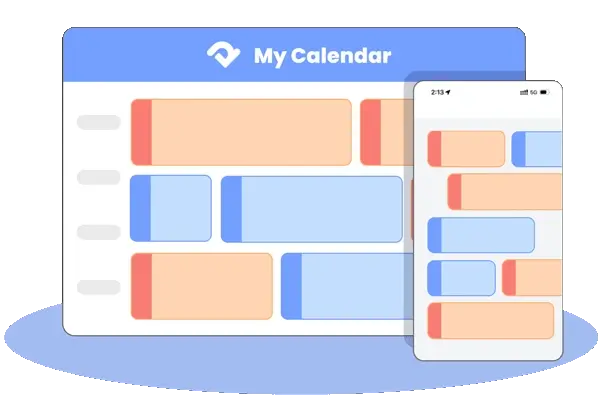
This is the core function. Every booking — from any source — should appear in a single calendar and update availability across your other channels instantly. Reservation management is rated as important or critical by over 95% of hotel software users, and it's the first place manual errors accumulate if your system isn't doing it well.
Channel manager and OTA sync
OTAs account for 63.4% of total bookings for independent properties. Without a channel manager keeping your availability synchronized across Booking.com, Expedia, Agoda, and other platforms in real time, the risk of double bookings and availability discrepancies is structural, not occasional. This is covered in more detail below — it's the most consequential feature decision you'll make.
Direct booking engine
A booking engine connected to your website lets guests book without OTA commission. Every direct booking saves 15–25% compared to the same booking coming through an OTA. For an independent hotel generating $200,000 in annual revenue, shifting even 15% of bookings from OTA to direct saves $4,500–$7,500 per year. The booking engine should be included in your base plan, not sold as an add-on.
Real-time reporting
You shouldn't need to log into three OTA extranets and build a spreadsheet to understand last month's performance. A useful PMS surfaces ADR, occupancy rate, RevPAR, and channel-level revenue in one dashboard — updated as bookings confirm, not exported at month end.
Channel Manager Integration — The Decision That Defines Your OTA Risk
For independent hotels with OTA exposure, the channel manager integration is the single most important technical decision in your software evaluation. Two factors determine whether it actually protects you.
API connections vs. iCal sync
iCal is a calendar-sharing format that updates on a schedule — typically every 15 to 30 minutes. A booking that confirms on Booking.com at 11:00am may not close your Agoda calendar until 11:30. During a busy weekend, that window is long enough for a second guest to book the same room on a different platform.
Direct API connections sync in both directions within seconds. Booking confirms → all connected OTAs close that availability immediately. This is the only reliable method for hotels actively listing on multiple channels. The impact on OTA ranking is also measurable: platforms like Booking.com track cancellation rates caused by double bookings, and repeated incidents lower your placement in search results.
Is the channel manager included or an add-on?
Many hotel management software platforms advertise a base price that excludes the channel manager. You discover the real cost after sign-up when the OTA sync module appears as a separate subscription tier. Before committing to any platform, confirm explicitly: Is the channel manager included in the plan you're considering? Which specific OTAs does it connect to via direct API? And does it add any commission or markup on top of what OTAs already charge?
Smart Order includes the channel manager in the base plan — connected to Booking.com, Airbnb, Agoda, and Trip.com via real-time two-way API sync — at a flat per-room monthly rate with no booking commissions.
Channel Manager and PMS in One System
Smart Order's built-in channel manager syncs your availability across every major OTA in real time — no separate subscription, no double-booking risk, no per-booking fees.
Pricing Models That Work for Independent Hotels
Hotel management software pricing varies more than headline numbers suggest. Understanding the model before you sign is as important as evaluating the features.
- Flat per-room monthly rate — Your software cost is fixed regardless of occupancy or booking volume. If you fill 90% of your rooms in August, your bill stays the same. This model keeps costs predictable and doesn't work against your business in peak months.
- Commission-based pricing — A percentage of each booking goes to the software vendor on top of OTA commissions. This model means your costs rise precisely when your calendar is fullest. For independent hotels trying to reduce OTA dependency, paying a second commission layer to your PMS undermines the economics.
- Modular/add-on pricing — Core platform at one price, channel manager at another, booking engine at a third. The advertised price rarely reflects total cost of ownership. Before signing, ask for a full quote that includes every module you'll need to run a connected OTA operation. For a detailed breakdown of what the market charges and how to read the actual total, see our guide to hotel management software pricing in 2026.
Six Questions to Ask Any Hotel Management Software Vendor
These questions cut through marketing language and get to the operational details that actually matter.
- Is the channel manager included in this plan, or is it a paid add-on? Get the specific plan name and what it does and doesn't cover.
- What OTAs do you connect to, and do you use direct API or iCal? Accept only direct API as an answer for the platforms you care about.
- Are there any commissions or transaction fees beyond OTA rates? Some vendors take a cut on bookings processed through the platform.
- What does onboarding cost, and how long does it take? Onboarding fees can range from $0 to $2,000 — know before you sign.
- What is the contract length, and what are the exit terms? Month-to-month vs. annual vs. multi-year affects your flexibility when your needs change.
- Can I export all my reservation and revenue data at any time? Your operational data should never be held hostage by a vendor relationship.
FAQ
What features does hotel management software need for independent hotels?
The core features for independent hotels are cloud-based architecture, reservation and calendar management, a real-time channel manager with direct API connections to major OTAs, a direct booking engine, and revenue reporting. Beyond those five, additional features depend on your specific operation — but those are the ones where the software either earns its cost or doesn't.
Is cloud-based hotel management software better for independent properties?
Yes, for almost every independent hotel. Cloud-based PMS requires no server hardware, updates automatically, and is accessible from any device. The alternative — on-premise or desktop-based systems — requires IT maintenance, doesn't adapt easily to remote access, and typically involves higher upfront costs. For lean teams managing operations without dedicated IT staff, cloud is the practical default.
How much does hotel management software cost for independent hotels?
A fully operational PMS for an independent hotel — including channel manager and direct booking engine — typically runs $50–$200 per month depending on the provider and pricing model. Commission-based platforms can cost significantly more in peak season. Flat per-room pricing keeps costs predictable regardless of occupancy. Watch for platforms that advertise a low base price but charge extra for channel management.
Is the channel manager usually included in hotel management software?
Not always. Many platforms sell channel management as a separate module or reserve it for higher pricing tiers. When evaluating any platform, ask explicitly which OTAs are included, whether the connection is direct API or iCal-based, and whether the channel manager adds any commission layer beyond OTA fees. All-in-one platforms that bundle channel management at the base tier simplify both pricing and operations.
What should I ask a hotel software vendor before I sign?
Focus on six areas: whether the channel manager is included and which OTAs it covers, the sync method (API vs. iCal), any commission or transaction fees beyond OTA charges, onboarding costs, contract length and exit terms, and whether you can export your own data freely. The answers to those six questions tell you more about the true cost and operational fit than any feature comparison table.
Built for Independent Hotels — Not Enterprise Chains
Smart Order combines a real-time channel manager, direct booking engine, PMS dashboard, and reporting in one system. Flat per-room pricing. No commissions. No long-term contracts.