How Small Hotels in Japan and Thailand Can Reach Chinese Travelers
For a small hotel outside China, attracting Chinese guests starts with a clear route from discovering the property to confirming a room. Build useful Chinese-language content, make the booking route easy to find, and check that the room details and arrival instructions agree across every channel. Treat promotion and reservation operations as connected work: a popular post is useful only when a guest can understand the offer and complete a booking.
Key takeaways
- Give Chinese-speaking guests practical information about location, rooms, transport and arrival.
- Use RedNote content to answer specific travel questions and lead readers to an authorized booking route.
- Verify the exact Trip, Agoda and other channel connections required by your property.
- Measure inquiries and confirmed stays as well as views, without promising a particular increase in bookings.
Why Smart Order fits this workflow
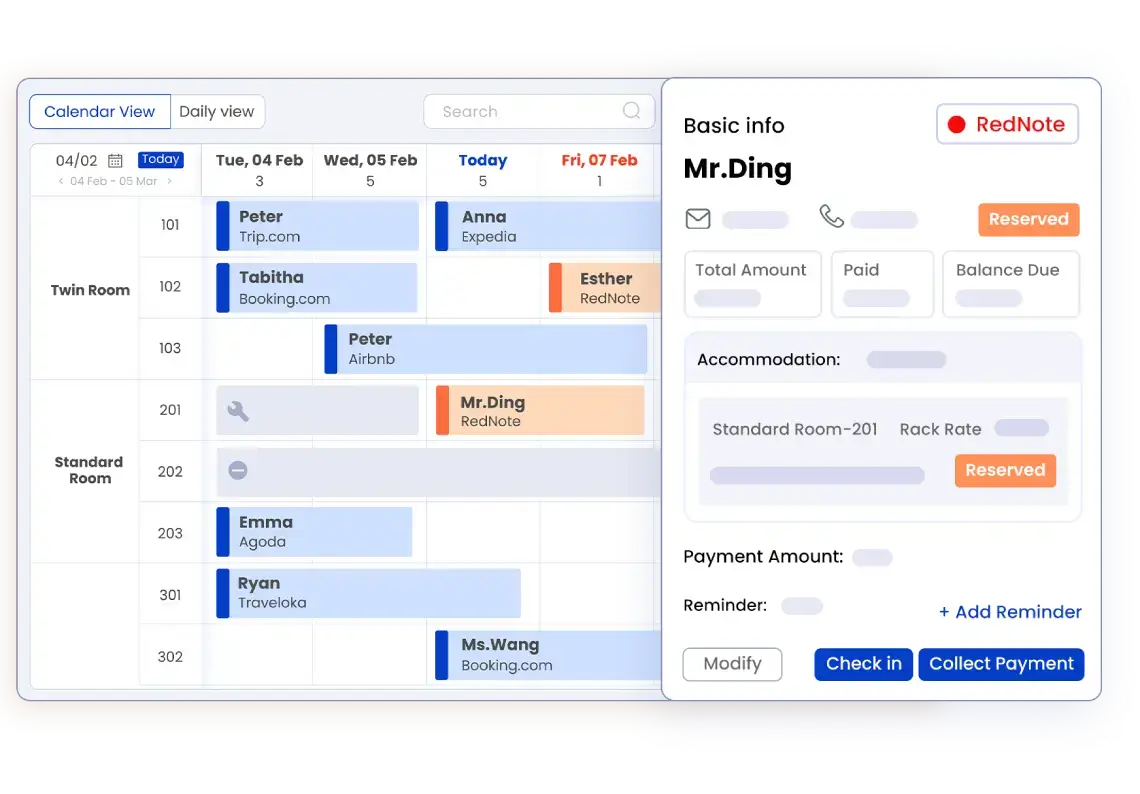
Bookings appear instantly in your PMS to help prevent overbookings and keep your operations running smoothly. The booking-engine information describes that capability. It gives a hotel a reason to evaluate how a guest-facing booking route connects to the reservation record used by reception. Test the actual room type, rate and availability before directing promotion traffic to it.
Smart Order's mobile dashboard supports check-in, check-out and reservation updates on the go. The front-desk product page describes these operations. An owner handling a promotional inquiry away from reception should still check the current reservation record before making a room promise. Mobile access supports the operating workflow; it does not establish what a social platform permits or guarantee a marketing result.
Key capabilities and plan boundaries
- Smart Order lists RedNote onboarding as a separate paid service.
- Smart Order lists OTA channels and the booking engine as Essential add-ons.
- Smart Order lists housekeeping, self check-in and multi-calendar as Professional features.
- Smart Order Essential has no room-count or duration restriction.
Review the current pricing and plan information with the team. Ask which RedNote onboarding tasks are included in the quoted service, who owns the account and what ongoing content work remains with the property. Keep channel fees, booking-engine costs and promotional services separate in your budget.
How to build a discovery-to-booking route
- Prepare accurate Chinese-language property information. Start with the room types, bedding, bathroom arrangements, exact location, transport directions and arrival hours. Have a fluent reader check the wording against what the property actually provides. Use current photographs and explain limitations clearly, such as stairs or a reception desk that closes at night.
- Create RedNote posts around a guest question. Draft useful topics such as how to reach your inn from the station, what a family room contains, or what to do after an evening arrival. Show the actual route and room rather than making broad claims about being the best hotel. Use the place name and relevant descriptive terms naturally; check the platform's current account and linking rules before publishing.
- Make the next step explicit. Decide whether the approved booking destination is an OTA listing, the hotel's own booking page or an inquiry handled by staff. Verify the destination on a phone and confirm that the displayed dates, room descriptions and cancellation terms match the offer. Ask the vendor how a RedNote booking route works for your own account and region; do not assume every account has the same options.
- Check distribution before promotion. List the channels you need, including the exact Trip or Ctrip service where relevant. Ask for a demonstration of each connection and its plan requirements. Run an authorized test reservation and cancellation, then compare the inventory shown to guests with the record at reception. Confirming one channel does not prove that every related platform is connected.
- Prepare a clear arrival message. Explain the property name, address, check-in window, contact route and what happens if the guest arrives late. Ask a Chinese-speaking colleague to follow the instructions from the station or street entrance. Confirm any requested payment method with the payment provider and property account before advertising it.
- Review the results with simple records. Keep a record of the content published, inquiries received, booking source and completed stays where your systems and privacy procedures allow. Ask guests how they found the property without treating every social view as an attributable booking. Use repeated questions to improve the next post and the booking page.
Product evidence and practical limits
The linked Smart Order pages support the operating capabilities and plan boundaries described here. They do not establish how many Chinese travelers a particular hotel will attract, what a social account will be allowed to publish, or which payment methods are available to every merchant. Keep the proposed onboarding work and channel setup in writing. Evaluate promotional results using your property's records rather than a software vendor's general promise.
Buyer considerations for Japan and Thailand
For a Japanese inn or guesthouse, prepare clear directions from the station, explain the room arrangement and confirm which local channels the team must continue using. Have Japanese-speaking staff and a Chinese-speaking reviewer agree on the same arrival instructions. Ask the vendor to demonstrate any required Japanese interface or support arrangements.
For a Thai independent hotel or resort, check the arrival route from the relevant transport point and explain who helps after reception hours. Test the required Agoda, Booking and Trip connections individually. Ask Thai-speaking colleagues to check the room information and escalation procedure before promotion starts.
In either market, use guest photographs only with appropriate permission. Give any content partner accurate property information and ask for a clear description of deliverables, approval responsibilities and reporting. Avoid fabricated reviews or a promised occupancy increase.
Frequently asked questions
How can a small hotel outside China get more bookings from Chinese travelers?
Create useful Chinese-language property information, connect discovery content to a working booking route, and prepare staff to answer inquiries and handle arrivals. Check channel availability and booking terms before promoting an offer. Review confirmed stays and recurring guest questions to decide what to improve next.
How should a hotel promote itself on RedNote?
Choose a concrete traveler question, show current photographs and explain the actual guest experience. Check current platform rules and the booking options available to the hotel's account. If buying onboarding support, agree the account ownership, setup tasks, ongoing content responsibilities and service fee before proceeding.
What should a Chinese owner check before using RedNote for an overseas property?
Confirm that Chinese content accurately describes the Japanese or Thai property, that local staff can fulfil the offer, and that the booking route reaches the correct room inventory. Keep social promotion, channel connectivity and optional onboarding services separate when comparing costs.
What to do next
Bring your property information, proposed Chinese-language posts, current channel list and a sample guest journey to a demonstration. Ask the team to show the route from an inquiry or booking page to the reservation record, and agree what your staff will maintain after onboarding.
Discuss your Chinese guest booking workflow with Smart Order