Introduction
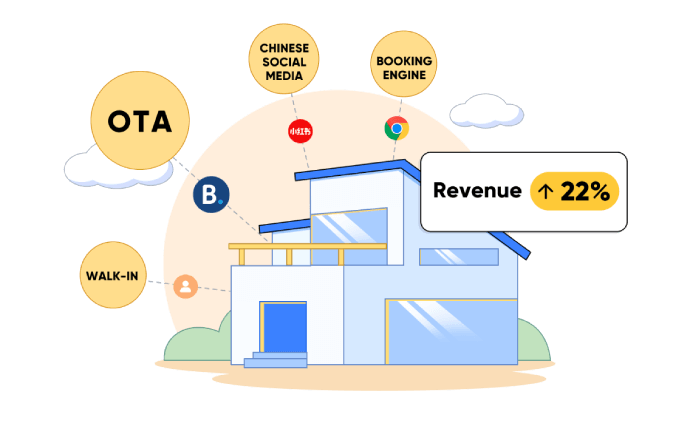
Managing hotel bookings used to be simple. A front desk phone, a ledger, and later a basic reservation system were enough. Today, hotels receive reservations from many different apps at the same time. Guests book rooms through online travel agencies, hotel websites, mobile reservation applications, metasearch platforms, and even social media links.
This shift has created both opportunity and complexity. On one hand, hotels gain wider visibility and more bookings. On the other, managing availability, rates, and reservations across multiple platforms becomes a daily operational challenge. Without the right tools, hotels risk overbookings, pricing errors, and lost revenue.
So how do hotels manage bookings from multiple apps efficiently? The answer lies in a combination of channel managers, property management systems (PMS), and clear operational processes.
In this guide, we’ll break down the unique challenges of multi-app booking management, the tools that solve them, and actionable best practices to boost efficiency, reduce errors, and protect revenue—with a focus on international market needs.
Why Managing Bookings from Multiple Apps Is Challenging
Each booking app operates as a separate sales channel. OTAs, direct booking engines, and hotel reservation applications all update inventory independently unless they are connected through automation. This disconnect creates critical pain points for hotels:
- Overbookings: A 5-minute delay in availability updates can let a room sell on both Booking.com and the hotel’s website during peak tourist seasons (e.g., European summer, US holiday weekends), forcing front desks to issue costly refunds or rearrange accommodations—damaging brand reputation for international guests.
- Pricing Inconsistencies: Hotels often run channel-specific promotions (e.g., 15% off direct bookings, OTA-exclusive packages for long-haul travelers). Manual price adjustments across 5+ global platforms increase the risk of guests noticing discrepancies (e.g., a room cheaper on Expedia than the hotel’s app), eroding trust with international customers.
- Wasted Labor: Small hotel teams may spend 2–3 hours daily updating room statuses, rates, and multi-language descriptions across platforms—time better spent on guest service for non-local visitors.
- Cross-Border Data Silos: Disconnected systems mean no single source of truth for occupancy, revenue, or guest preferences (e.g., international travelers’ room type preferences), hindering data-driven decision-making for global marketing.
- Currency & Language Barriers: Manual management fails to sync dynamic currency conversions or update multi-language room descriptions across platforms, leading to guest confusion and lost bookings.
Common Booking Apps Hotels Use Today
Most hotels rely on several types of booking apps to reach different guest segments.
- Online Travel Agencies (OTAs) such as Booking.com and Expedia remain key demand drivers, especially for international and last-minute bookings. These platforms provide exposure but require strict inventory control.
- Direct booking channels include hotel websites, mobile booking apps, and embedded booking engines. These channels usually deliver higher margins and give hotels direct access to guest data.
- Metasearch platforms, including Google Hotel Search, compare prices across channels and redirect users to booking sources. Accurate data synchronization is critical here, as pricing or availability errors reduce conversion.
- Larger properties may also connect to corporate booking tools or wholesale reservation applications, which further increases the need for centralized control.
How a Channel Manager Syncs Multiple Booking Apps
A channel manager acts as the technical bridge between booking apps and the hotel’s internal systems.
Here’s how it solves hotel pain points:
- Real-Time Sync: When a reservation is confirmed on any channel (e.g., a guest books via Agoda), the channel manager updates room availability, rates, and restrictions across all connected apps (Booking.com, Google Hotel Search, your website) in seconds—regardless of time zones.
- Centralized Rate & Currency Control: Adjust base prices, minimum stay requirements, or promotional discounts from one dashboard—with auto-sync for dynamic currency conversions (e.g., USD, EUR, GBP). For example, a boutique hotel in Spain can set a "summer peak surcharge" that auto-applies to Expedia and their own multilingual app.
- Multi-Language Support: Sync room descriptions, amenities, and policies (e.g., check-in times) across platforms in multiple languages (English, Spanish, Japanese, Chinese)—eliminating manual translation updates.
- Scalability for Growth: As your hotel attracts more international bookings, automation replaces manual work. A 40-room boutique hotel might handle 3 channels manually at 60% occupancy—but at 90% occupancy with global guests, a channel manager becomes essential to avoid cross-platform errors.
The Role of a PMS in Centralized Booking Management
While channel managers handle distribution, a Property Management System (PMS) turns international bookings into smooth daily operations. Here’s its key role for overseas hotels:
- Unified Reservation Hub: All bookings—whether from Expedia, a walk-in guest, or a corporate client from another country—flow into the PMS. Front desk teams use this data for room assignments, check-in (including passport verification tracking), guest profiles (e.g., "guest prefers non-smoking rooms, speaks German"), and coordinating housekeeping across time zones.
- Data-Driven Insights: Integrated with a channel manager, the PMS provides a single source of truth for performance. Track which channels drive the most international bookings (e.g., "Agoda accounts for 35% of Asian guests") or forecast occupancy for peak travel seasons (e.g., Christmas in New York).
- Efficiency Gains for Multicultural Teams: Staff training time is significantly reduced with a unified system—no more switching between OTA dashboards and spreadsheets, and no language barriers for team members managing bookings.
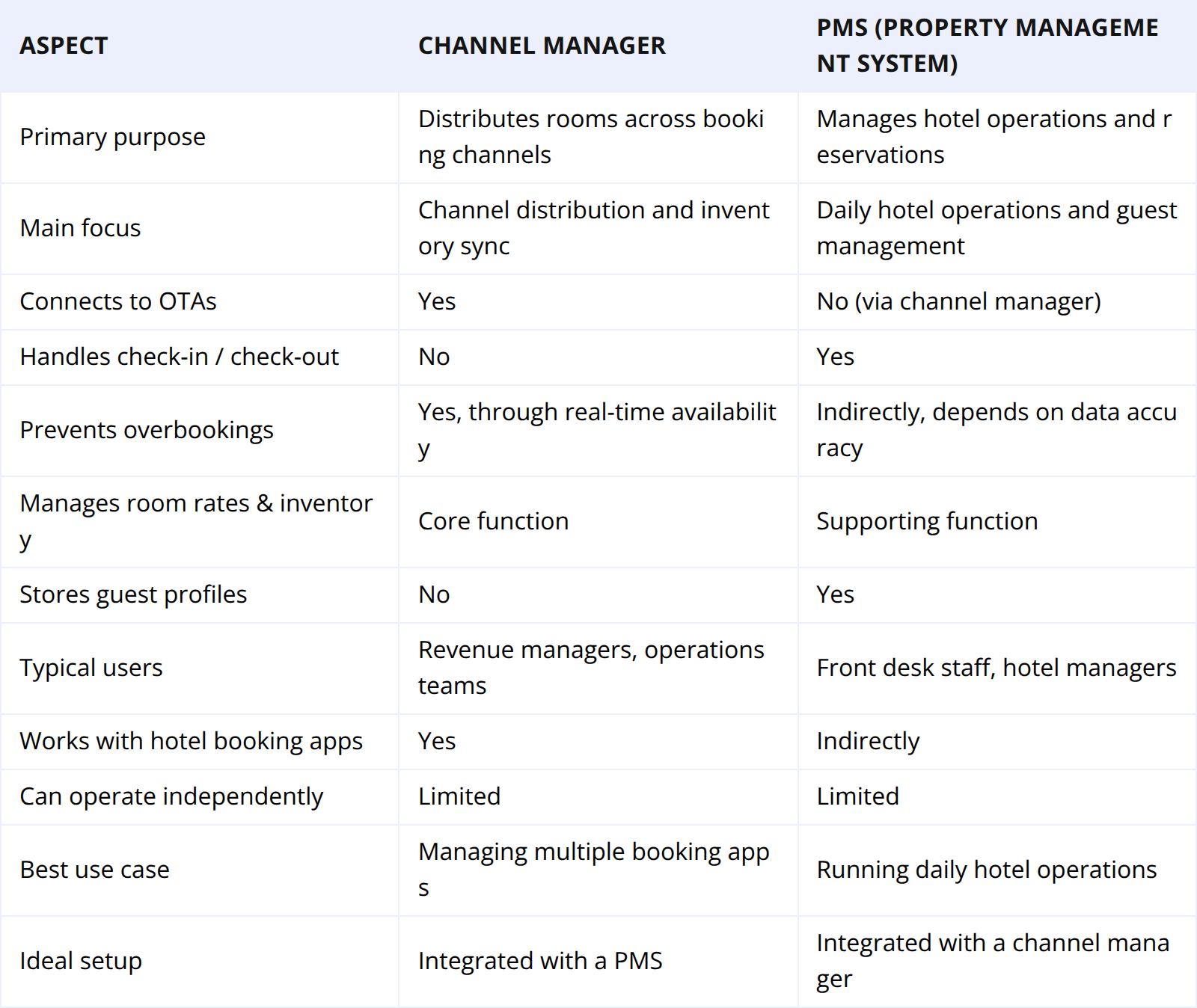
Channel Manager vs PMS: Core Differences
Preventing Overbookings with Real-Time Availability
Hotels reduce this risk by using real-time availability sync and clear allocation rules. When a room is booked on one channel, availability is immediately updated across all connected OTAs and direct booking systems. Some hotels also apply buffer inventory or channel-specific limits during high-occupancy periods.
Example scenario:
A guest books the last available room on an OTA during a busy weekend. Without real-time updates, the same room still appears available on the hotel’s website and is booked again.
After implementing a channel manager, availability updates instantly, preventing duplicate reservations and reducing front desk conflicts.
From the guest’s perspective, accurate availability builds trust. For hotels, it protects revenue, operations, and brand reputation.
Best Practices for Managing Hotel Bookings Efficiently
Hotels that master multi-app bookings follow these actionable, streamlined steps:
1. Prioritize Integration & Compliance
Choose a seamlessly integrated channel manager and PMS that supports global platforms and adheres to regional regulations (GDPR, CCPA)—avoid disjointed systems that cause cross-border data errors.
2. Audit Channel ROI Monthly
Calculate "cost per international booking" (OTA commissions vs. direct booking marketing costs), track regional conversion rates (e.g., Agoda: 12% for Asian guests; Google Hotel Search: 8% for Europeans), and drop low-performing channels to focus on high-value platforms.
3. Train Teams for Guest Scenarios
Teach staff to troubleshoot cross-platform sync errors, handle international guest exceptions (e.g., reassigning rooms for double-booked long-haul travelers.).
4. Adapt to Evolving Travel Trends
Social media booking (Instagram, TikTok) is growing 35% annually among travelers—ensure your channel manager supports these platforms. Optimize your direct booking engine for mobile-first experiences to match shifting guest preferences.
FAQs
What is the difference between a channel manager and a PMS?
A channel manager distributes room availability and rates across multiple booking apps, while a PMS manages internal hotel operations and reservation data.
Can small hotels manage bookings without a channel manager?
Yes—if you only use 1–2 global channels (e.g., a boutique inn relying on local walk-ins and Booking.com). But once you add 3+ channels (e.g., Booking.com + Expedia + your website), manual updates lead to cross-border errors. A budget-friendly channel manager pays for itself by reducing overbookings and labor costs for international bookings.
How often should I update rates for channels?
Rates should be dynamic—adjust 2–3 times weekly based on occupancy trends, regional events (e.g., international conferences, music festivals), and competitor pricing in target currencies. Use your channel manager to set "rate rules" (e.g., "Increase prices by 25% when occupancy hits 75% for European summer bookings") for automation.
Do all booking apps support channel manager integration?
Most major platforms (Booking.com, Expedia, Agoda, Airbnb) integrate with leading channel managers. Verify compatibility with your tool provider—some niche social media apps may require custom integration, but core global OTAs are universally supported.
Is direct booking better than OTA booking?
Direct bookings have lower costs (no OTA commissions) and let you own international guest data (e.g., travel preferences, email addresses for global marketing), but OTAs drive critical global visibility—especially for first-time international guests.