Assigning rooms to housekeepers is one of the most time-sensitive tasks in daily hotel operations. Every morning, managers must decide who cleans which rooms, in what order, and within what timeframe. When this process is handled manually, it often leads to delays, uneven workloads, and communication issues between the front desk and hotel housekeeping teams.
Today, many hotels choose to assign rooms automatically using a digital system connected to their PMS. Automatic room assignment removes guesswork, reduces errors, and helps housekeepers focus on cleaning instead of tracking instructions. In simple terms, a PMS-based system uses real-time room status, staff availability, and cleaning rules to generate optimized task lists for housekeepers without manual intervention.
This article explains why automatic room assignment matters in hotel housekeeping, the problems with manual processes, how a PMS supports automation, what features to look for in a housekeeping system, and the real operational benefits hotels can expect.
Why automatic room assignment matters in hotel housekeeping
Hotel housekeeping operates on tight schedules. Guests check out, new guests arrive, and rooms must be cleaned within limited time windows. Automatic room assignment helps hotels keep pace with these demands while maintaining consistent service quality.
When rooms are assigned automatically, housekeepers receive clear, structured task lists based on real conditions, not assumptions. Clean-priority rooms, stayover rooms, and late checkouts are organized logically. This reduces confusion and helps teams work more efficiently.
Automation also supports fairness. A system can distribute rooms evenly based on room size, cleaning difficulty, or staff experience. This prevents burnout among housekeepers and improves morale. Over time, hotels see fewer disputes, lower turnover, and more reliable daily performance.
For managers, automatic assignment improves visibility. Instead of spending time creating lists, supervisors can focus on inspections, quality checks, and guest requests. In busy hotels, this operational clarity becomes a competitive advantage.
Common challenges when assigning rooms to housekeepers manually
Manual room assignment is still common, especially in small or mid-size hotels. However, it creates recurring problems that affect efficiency and guest satisfaction.
One major issue is outdated information. Room status can change quickly due to late checkouts, early arrivals, or maintenance issues. Paper lists or spreadsheets often fail to reflect these updates in real time, causing housekeepers to waste time or clean rooms that are not ready.
Communication gaps are another challenge. When changes happen, supervisors must relay updates verbally or through messaging apps. This leads to missed instructions, repeated work, or uncleaned priority rooms.
Manual planning also makes workload balancing difficult. Some housekeepers may receive too many complex rooms, while others finish early. Over time, this imbalance affects productivity and staff satisfaction.
Finally, manual processes do not scale well. As room count increases or staffing changes daily, assigning rooms by hand becomes stressful and error-prone. These challenges push many hotels to adopt automated housekeeping systems connected to their PMS.
How a PMS helps assign rooms to housekeepers automatically
A PMS acts as the central source of truth for hotel operations. When housekeeping is integrated into the PMS, room assignment can happen automatically based on live data.
The system pulls real-time information such as:
- Check-out and check-in schedules
- Stayover and vacant room status
- Maintenance blocks
- Housekeeper availability and shifts
Using predefined rules, the PMS assigns rooms automatically to housekeepers. For example, checkout rooms can be prioritized first, while stayover rooms are grouped later in the shift. Experienced housekeepers may be assigned larger rooms or suites.
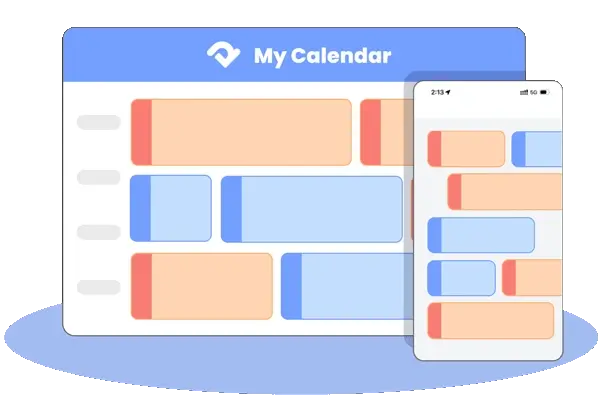
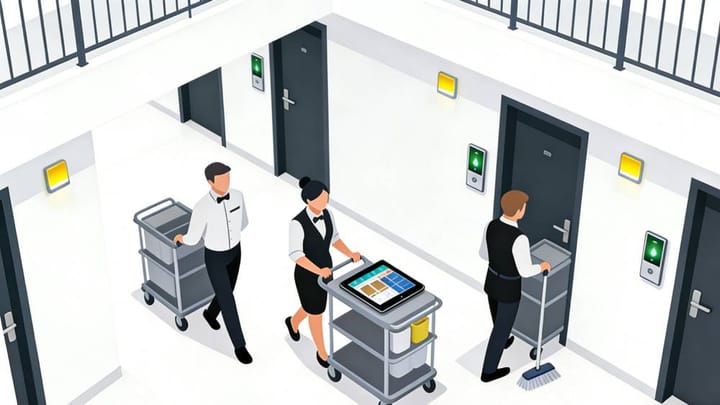
Once assignments are created, they are pushed directly to staff dashboards or mobile devices. Housekeepers always know which rooms to clean next, without waiting for instructions. Supervisors can adjust assignments instantly if conditions change.
This level of automation reduces daily planning time while increasing accuracy. It also ensures housekeeping operations stay aligned with front desk activity throughout the day.
Key features of an automatic housekeeping assignment system
Not all systems offer the same level of automation. An effective hotel housekeeping assignment system should include several essential features.
Real-time room status synchronization is critical. The system must update immediately when a guest checks out, extends their stay, or reports an issue.
Flexible assignment rules are also important. Hotels should be able to set cleaning priorities, room quotas per housekeeper, and skill-based assignments without technical complexity.
Mobile access improves execution. When housekeepers receive tasks on mobile devices, updates are instant, and progress can be tracked in real time. This eliminates paper lists and manual check-ins.
Task tracking and completion status help supervisors monitor performance throughout the day. Managers can see which rooms are cleaned, inspected, or pending at any moment.
Reporting tools add long-term value. Data on cleaning time, productivity, and workload trends helps hotels improve staffing plans and operational decisions.
Together, these features create a system that supports both daily efficiency and long-term improvement.
Benefits of using a system to manage hotel housekeeping tasks
Using an automatic system to manage hotel housekeeping tasks delivers clear operational benefits.
Productivity improves because housekeepers spend more time cleaning and less time waiting for instructions. Clear task sequencing reduces idle time and unnecessary movement between floors.
Service quality becomes more consistent. Rooms are cleaned on time, priority rooms are handled correctly, and fewer mistakes occur. This directly affects guest satisfaction and online reviews.
Operational costs decrease over time. Better planning reduces overtime, improves labor utilization, and minimizes rework caused by miscommunication.
Transparency also increases. Managers gain real-time visibility into housekeeping progress, allowing faster responses to guest requests and front desk needs.
Perhaps most importantly, staff experience improves. Housekeepers work with clear expectations, balanced workloads, and fewer last-minute disruptions. This leads to higher retention and a more stable housekeeping team.
FAQs
Can small hotels benefit from automatic room assignment?
Yes. Even small hotels save time and reduce errors by using a PMS-based housekeeping system. Automation simplifies daily operations regardless of property size.
Do housekeepers need technical skills to use the system?
No. Most systems are designed with simple interfaces. Housekeepers usually need only basic training to view and complete assigned tasks.
What happens when room status changes during the day?
An integrated system updates assignments automatically or allows supervisors to adjust tasks instantly. Housekeepers receive updates in real time.
Is automatic assignment suitable for stayover and checkout rooms?
Yes. The system can distinguish between room types and apply different cleaning rules for stayover and checkout rooms.
How long does it take to implement an automatic housekeeping system?
Implementation time varies, but many PMS-based systems can be set up within days, especially for cloud-based platforms.