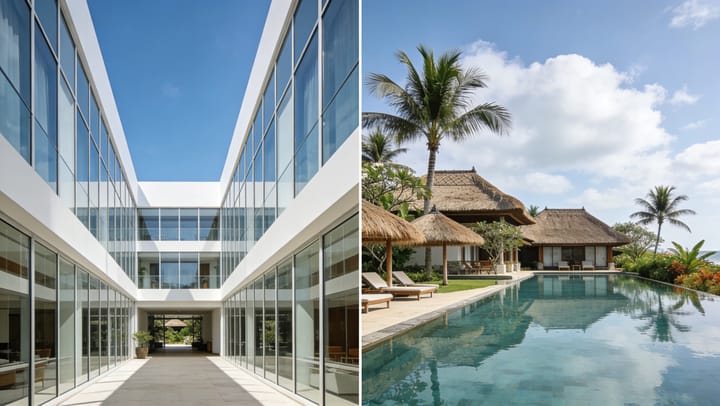
The fundamental difference between a hotel and a resort lies in their purpose: a hotel is a place to stay, while a resort is a place to be.
While hotels prioritize convenience and comfort for travelers exploring a specific locale, resorts function as self-contained destinations. Sprawling across vast grounds, resorts integrate luxury accommodations with a comprehensive ecosystem of leisure—including world-class spas, sports facilities, and diverse dining—ensuring that every guest's need is met within the property’s gates.
Read on to explore what defines a hotel, what makes a resort distinct, and how to manage each model effectively in today’s competitive hospitality landscape.
What is a Hotel?
A hotel is a commercial lodging property built primarily to provide overnight accommodation. Its core product is the guest room. Everything else supports that room sale.
Most hotels prioritize:
- Location
- Convenience
- Cleanliness
- Efficient service
- Reliable comfort
Hotels are commonly located in city centers, near airports, business districts, highways, or tourist hubs. Guests usually stay for short durations — one to three nights.
Revenue is primarily driven by:
- Room sales
- Limited food and beverage
- Meeting space (in business hotels)
Operational success depends heavily on occupancy rate, ADR (Average Daily Rate), and RevPAR.
Hotels are structured for efficiency. Quick turnover, streamlined housekeeping, and centralized reservations matter more than recreational variety.
Common Types of Hotels
Business Hotels
Business hotels are usually located in city centers or near commercial districts. They focus on convenience, fast check-in, reliable Wi-Fi, meeting rooms, and work-friendly rooms. Demand is strongest on weekdays, with revenue driven by corporate contracts and event-based bookings rather than leisure travel.
Budget or Economy Hotels
Budget hotels offer simple, clean rooms at competitive prices. Amenities are limited to essentials such as private bathrooms and basic Wi-Fi. These properties rely on high occupancy and operational efficiency. Cost control, standardized room layouts, and strong OTA visibility are key to maintaining profitability.
Boutique Hotels
Boutique hotels are smaller properties known for unique design and personalized service. Guests choose them for atmosphere and character rather than standardized facilities. They often command higher room rates through branding and guest experience, with strong reliance on direct bookings and reputation management.
Extended Stay Hotels
Extended stay hotels cater to guests staying a week or longer. Rooms typically include kitchenettes and storage space, offering a more residential feel. Lower room turnover reduces housekeeping costs, while revenue depends on stable occupancy from corporate, relocation, or long-term travelers.
Airport or Transit Hotels
Airport hotels serve short-stay travelers with early flights or layovers. Location and speed are critical. Soundproof rooms, flexible check-in, and shuttle services influence bookings. Demand is often last-minute, so real-time inventory management and efficient housekeeping operations are essential.
What is a Resort?
A resort is more than accommodation. It is a self-contained destination.
Guests choose a resort not just for a place to sleep, but for experiences. Resorts offer:
- Multiple restaurants
- Spa and wellness facilities
- Sports and recreational activities
- Pools and leisure areas
- Organized entertainment
- Kids’ clubs
- Excursions
Resorts are often located in leisure destinations — beaches, mountains, lakes, tropical islands, or countryside retreats.
The revenue structure is more diversified:
- Rooms
- Food and beverage
- Spa services
- Activity bookings
- Equipment rentals
- Event hosting
- Packages
Resorts often have longer average stays and higher ancillary revenue per guest.
Management complexity increases because multiple departments must coordinate seamlessly.
Common Types of Resorts
Beach Resorts
Beach resorts are located along coastlines and center their appeal on relaxation and water activities. Guests expect pools, beachfront dining, and outdoor experiences. Revenue comes from room upgrades, food and beverage, and activity bookings, with demand influenced by seasonality and weather patterns.
All-Inclusive Resorts
All-inclusive resorts bundle rooms, meals, drinks, and selected activities into one price. This model simplifies guest spending and increases length of stay. Profitability depends on tight cost control, accurate forecasting, and effective upselling of premium services beyond the base package.
Spa and Wellness Resorts
Spa and wellness resorts focus on health, relaxation, and treatment programs. Facilities often include therapy rooms, fitness areas, and healthy dining concepts. Revenue is driven by spa bookings and personalized packages, requiring strong scheduling systems and skilled staff management.
Mountain or Ski Resorts
Mountain resorts operate around seasonal outdoor activities such as skiing, hiking, or mountain biking. Demand fluctuates significantly throughout the year. Revenue includes accommodation, equipment rental, and guided activities, making dynamic pricing and seasonal staffing essential.
Golf Resorts
Golf resorts attract guests seeking on-site courses and tournaments. In addition to room revenue, income comes from green fees, equipment rentals, and event hosting. Success depends on maintaining course quality while maximizing tee time utilization and package sales.
Differences Between Hotels and Resorts
Here is a direct comparison:
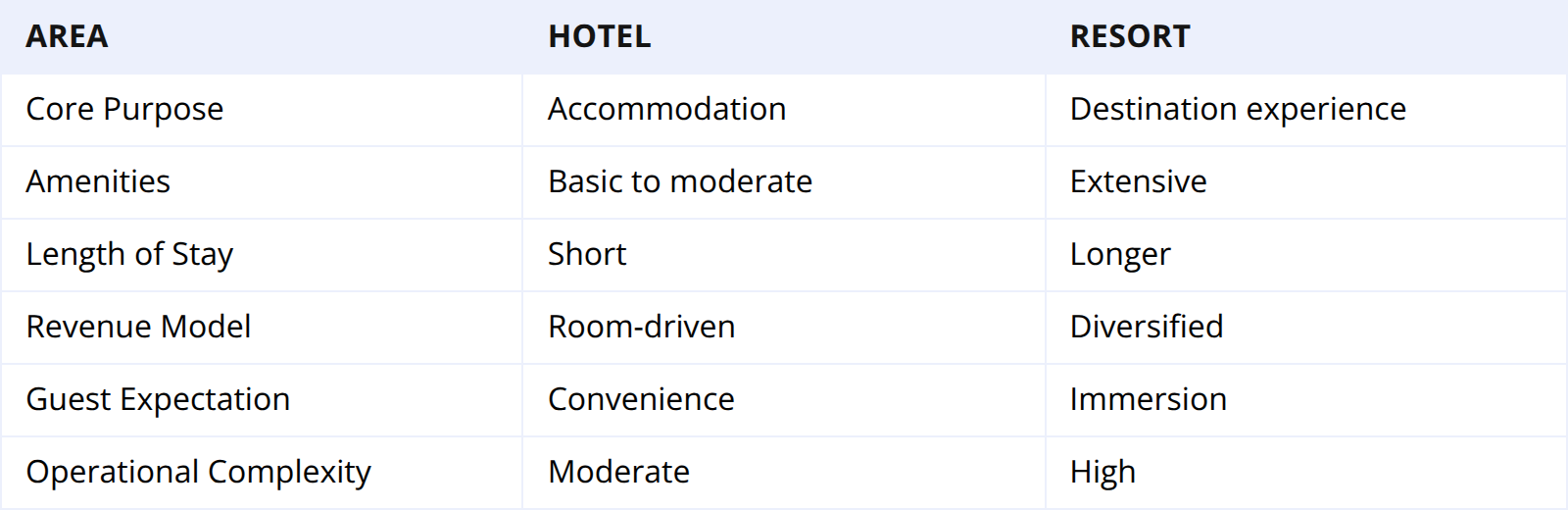
1. Purpose of Stay: Convenience vs Destination
The most fundamental difference between a hotel and a resort lies in why guests book.
Hotel guests usually travel for a defined purpose — business meetings, short city visits, events, or transit stops. The property supports their trip.
Resort guests travel specifically to spend time at the property. The resort itself is the destination. Activities, relaxation, dining, and entertainment are central to the stay.
If a guest primarily needs a place to sleep, a hotel fits. If the guest wants an immersive vacation, a resort is more suitable.
2. Amenities and On-Site Experience
Hotels typically provide essential amenities such as a restaurant, gym, or meeting room. These services enhance comfort but are not the main attraction.
Resorts offer extensive facilities designed to keep guests onsite. Multiple dining outlets, spas, pools, organized activities, and entertainment programs are common. Guests expect variety and engagement throughout their stay.
This difference significantly affects staffing, maintenance costs, and operational coordination.
3. Revenue Model: Room-Focused vs Diversified Income
Hotels generate most of their revenue from room sales. Performance is measured primarily through occupancy rate, ADR, and RevPAR. Food and beverage usually play a supporting role.
Resorts rely on diversified revenue streams. In addition to rooms, income comes from restaurants, spa treatments, activity bookings, equipment rental, events, and premium packages. Metrics such as Total Revenue per Available Room (TRevPAR) and ancillary spend per guest become more relevant.
Resorts often earn more per guest, but operating costs are also higher.
4. Length of Stay and Guest Spending Behavior
Hotel stays are often short, averaging one to three nights. Guests may spend limited time on property and explore the surrounding area.
Resort stays tend to be longer. Guests spend more time onsite, increasing opportunities for upselling experiences and bundled packages. This affects forecasting, staffing, and inventory planning.
5. Operational Complexity and Staffing
Hotel operations focus on efficiency — front desk management, housekeeping turnover, and channel distribution.
Resorts require coordination across multiple departments: recreation, food and beverage, spa, entertainment, and events. Staffing levels are typically higher, and internal communication becomes more complex.
The operational risk and management skill required are significantly greater for resorts.
6. Investment and Positioning Strategy
Developing a hotel generally requires strong location strategy and efficient room inventory management.
Developing a resort demands larger land space, infrastructure investment, and long-term brand positioning around experience and lifestyle. Marketing relies more on emotional appeal and storytelling than simple rate comparison.
Property owners must align capital investment, operational capacity, and market demand before choosing whether to position as a hotel or a resort.
How Can You Manage Resort vs Hotel Offerings Effectively?
Management strategy must match property type.
For Small Independent Hotels
Priorities:
- Strong channel management
- Competitive pricing
- Direct booking optimization
- Automated housekeeping workflows
A modern PMS integrated with a channel manager reduces overbookings and improves visibility across OTAs.
Small hotels should avoid over-investing in amenities that don’t drive occupancy.
For Boutique Resorts
Focus on:
- Package creation
- Experience differentiation
- Guest profiling
- Direct marketing
Technology stack should include:
- PMS
- POS integration
- Spa/activity booking modules
- Revenue management tools
Data should track:
- Ancillary spend per guest
- Package conversion rates
- Guest lifetime value
For Large Destination Resorts
Complexity increases significantly.
Critical systems:
- Centralized PMS
- Multi-outlet POS
- Activity scheduling software
- Inventory management
- Revenue forecasting tools
Key KPIs:
- Total Revenue per Available Room (TRevPAR)
- Spend per occupied room
- Activity utilization rates
- F&B margin control
Resorts must forecast demand across multiple revenue streams, not just rooms.
Positioning Your Property: Hotel or Resort?
If your property:
- Has limited recreational facilities
- Is located in an urban or transit area
- Targets short-stay guests
It is likely better positioned as a hotel.
If your property:
- Has extensive land or natural surroundings
- Can offer multiple experiences
- Encourages longer stays
It may be positioned as a resort.
Misalignment between positioning and infrastructure leads to poor guest satisfaction and weak marketing performance.
Technology Considerations for Both
Both hotels and resorts benefit from:
- Cloud-based PMS
- Channel manager
- Revenue management tools
- Automated reporting dashboards
Resorts additionally benefit from:
- Activity booking engines
- Spa management software
- Event management tools
Integrated systems reduce manual errors and improve operational clarity.
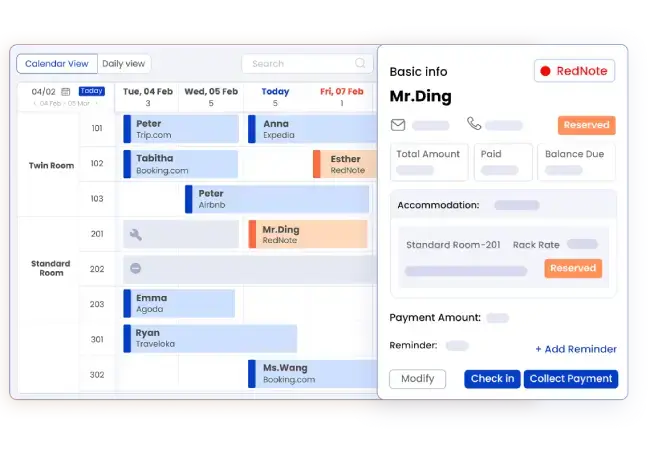
Run Your Hotel or Resort with Smart Order Property Management Software
Whether you operate a hotel or a resort, managing rooms, rates, and guest experiences should not require multiple disconnected systems. Our all-in-one hotel and resort management software helps you centralize reservations, optimize revenue, automate operations, and increase direct bookings — all from one platform.
FAQs
Is a resort more expensive than a hotel?
Often yes, because it includes more amenities and services. However, all-inclusive pricing can provide clearer value perception.
Which is better for business travel?
Hotels are typically better suited for business travel due to location and efficiency.
Which generates higher profit?
Resorts can generate higher total revenue, but operating costs are also higher. Profitability depends on management efficiency.
Can a hotel add resort features?
Yes, but expansion requires capital, staffing, and repositioning strategy.
How do I decide how to brand my property?
Evaluate:
- Location
- Available facilities
- Target guest segment
- Investment capacity
- Operational capability
Branding must reflect operational reality.