Introduction
Running a vacation rental today is very different from ten years ago. Guests compare listings across multiple platforms, expect instant responses, and want a smooth booking experience from the first click to check-out. For hosts, this creates pressure. Managing calendars, prices, messages, and payments across several channels can quickly become overwhelming.
This is where a modern reservation app becomes essential. It is no longer just a digital calendar or a place to store bookings. A good reservation app helps hosts control availability, reduce manual work, improve guest communication, and automate daily operations. More importantly, it protects revenue by preventing double bookings and missed inquiries.
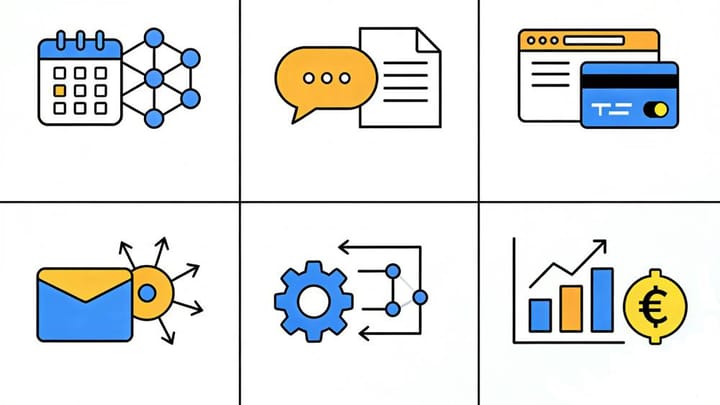
This article answers a simple question: What features actually matter most in a reservation app for vacation rental hosts? Instead of listing dozens of tools, we focus on the six core capabilities that have the biggest impact on efficiency, guest satisfaction, and long-term growth. If a reservation app performs well in these areas, it can support both small hosts and growing property managers with confidence.
Smart Reservation Calendar & Channel Sync
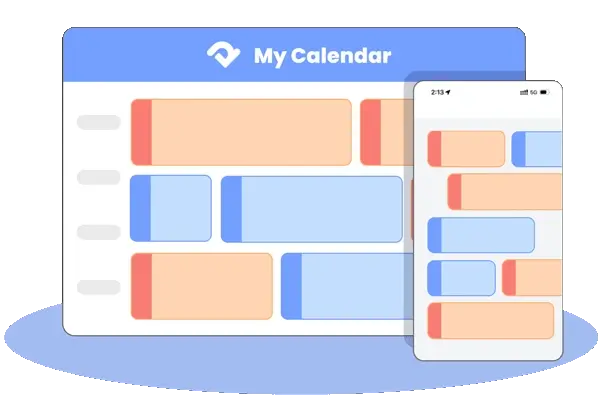
A smart reservation calendar is the foundation of any reliable reservation app. Vacation rental hosts rarely rely on a single booking source. Listings often appear on Airbnb, Vrbo, Booking.com, and direct booking websites at the same time. Without proper channel management, keeping availability accurate becomes risky.
A strong reservation app offers real-time calendar synchronization across all connected channels. When a guest books on one platform, availability updates instantly everywhere else. This prevents double bookings and removes the need for manual calendar checks. Hosts can trust that what they see in the system reflects reality.
Beyond basic syncing, an advanced reservation calendar allows hosts to manage rules easily. Minimum stay requirements, blocked dates, preparation time between stays, and seasonal availability should be simple to adjust. The goal is clarity. Hosts need to see upcoming reservations, gaps, and long stays at a glance without switching between platforms.
From an operational perspective, this feature saves time and reduces stress. From a guest’s perspective, it ensures that listed availability is accurate, which builds trust and avoids awkward cancellations.
Automated Guest Messaging and Templates
Fast and clear guest communication is one of the strongest drivers of positive reviews. Guests expect quick responses, clear instructions, and helpful information before arrival. Doing this manually for every booking is possible at first, but it becomes unsustainable as booking volume grows.
A reservation app with automated guest messaging solves this problem. Hosts can create message templates for common situations such as booking confirmation, pre-arrival instructions, check-in details, and post-stay follow-ups. These messages can be triggered automatically based on booking events or dates.
Automation does not mean losing a personal touch. Well-written templates still sound warm and human. Hosts can customize messages with guest names, stay dates, property details, and local tips. This balance between efficiency and personalization improves the guest experience while reducing daily workload.
Automated messaging also lowers the risk of forgetting important information. Guests receive check-in codes, house rules, and contact details at the right time. This leads to fewer last-minute questions and smoother arrivals, especially for self check-in properties.
Direct Booking Website & Payment Integration
Relying entirely on third-party platforms limits control and increases costs. Commission fees add up, and guest relationships often remain tied to the platform. A reservation app that supports a direct booking website gives hosts more independence and stronger brand presence.
Direct booking tools allow hosts to accept reservations on their own website with live availability and instant confirmation. The reservation app manages pricing, availability, and booking rules behind the scenes, ensuring consistency with other channels. Guests benefit from a professional and trustworthy booking experience.
Integrated payment processing is equally important. A good reservation app supports secure online payments, deposits, and automated payment schedules. Hosts can define when and how guests are charged without sending manual payment requests. This reduces late payments and administrative follow-ups.
From a business perspective, direct bookings increase profit margins and provide access to guest data for future marketing. From a guest perspective, they offer transparency and flexibility. A reservation app that connects booking and payment into one smooth flow supports long-term growth, not just daily operations.
Unified Inbox for All Booking Messages
Managing messages across multiple platforms can become chaotic. One guest writes through Airbnb, another sends a message via the direct website, and a third replies by email. Without a unified inbox, important messages can be missed or answered late.
A unified inbox brings all guest conversations into one place. Hosts can view, reply, and track messages from every booking channel within the reservation app. This creates a single source of truth for communication and avoids confusion.
This feature is especially valuable for teams. When multiple staff members handle guest communication, a shared inbox ensures that everyone sees the same information. Message history is preserved, and responses stay consistent. No guest feels ignored or receives conflicting answers.
From an experience standpoint, guests benefit from faster replies and clearer communication. Hosts benefit from better organization and less mental load. A unified inbox turns communication from a constant interruption into a manageable workflow.
Automated Tasks & Booking Workflow Automation
The digital side of hosting is only half the battle; the physical side—the "turnover"—is where the real work happens. Booking automation should extend to your staff and service providers.
The best apps allow you to create "smart tasks" that are triggered by a reservation. When a guest checks out at 10 AM, the app automatically sends a text or email to your cleaner with the checkout time and a checklist of what needs to be done. You can even require the cleaner to upload photos of the finished rooms before the task is marked as "complete."
This level of workflow automation removes the middleman. You don't have to call your maintenance person to fix a leaky faucet; you can simply assign a task within the app. By connecting your digital calendar to your physical operations, you reduce the risk of a new guest walking into an uncleaned house—a mistake that is nearly impossible to recover from in the world of online reviews.
Analytics, Reporting & Revenue Insights
Making good decisions requires clear data. A reservation app should not only manage bookings but also provide insight into performance. Analytics and reporting tools help hosts understand what is working and where improvements are needed.
Useful reports include occupancy rates, average nightly rate, revenue by channel, and booking lead time. These metrics help hosts adjust pricing strategies, improve listing performance, and evaluate channel effectiveness. Instead of guessing, decisions are based on real numbers.
Revenue insights also support long-term planning. Hosts can identify seasonal trends, track growth over time, and measure the impact of marketing efforts. When data is easy to access and understand, it becomes part of everyday decision-making.
Transparency builds confidence. A reservation app that clearly shows performance data helps hosts feel in control of their business rather than reacting to problems after they occur.
FAQs
What is a reservation app for vacation rentals?
A reservation app is software that helps hosts manage bookings, calendars, guest communication, payments, and operations from one system. It often includes channel management and booking automation features.
Why is channel management important for vacation rental hosts?
Channel management keeps availability and pricing in sync across multiple booking platforms. This prevents double bookings and ensures consistent information for guests.
Can a reservation app improve guest communication?
Yes. Automated messaging, templates, and a unified inbox allow hosts to respond faster and provide clear, timely information, which improves guest satisfaction and reviews.
Is booking automation useful for small hosts?
Even hosts with one or two properties benefit from booking automation. It saves time, reduces errors, and creates a more professional guest experience.
How does a direct booking website help hosts?
Direct bookings reduce commission fees, increase control over guest relationships, and improve profit margins while still syncing with other booking channels.
Is there a delay in multi-channel synchronization? How can I choose a low-latency tool?
Most apps sync via either iCal or Official API. iCal syncing can have a delay of 15 to 60 minutes, which is the leading cause of double bookings.
- The Solution: Look for a provider that offers Official API Integration (specifically for Airbnb, Vrbo, and Booking.com). APIs allow for near-instant updates. Tools that utilize Webhooks are even better, as they "push" booking data the second a reservation is made, ensuring the lowest possible latency and maximum security against overlapping stays.
Do I need technical skills to build a direct booking website? Do mainstream apps support "one-click" generation?
No technical or coding skills are required. Most modern reservation apps feature "No-Code" website builders.
- Ease of Use: Mainstream apps allow you to generate a professional site by automatically pulling your existing photos, descriptions, and pricing.
- Setup: You typically just upload your logo and choose a template. While these aren't as customizable as a site built from scratch, they are designed to be "plug-and-play," ensuring your booking engine and payment processor work perfectly from day one.
Will automated messages be flagged as "Violating Marketing Policies" by platforms like Airbnb or Vrbo?
As long as your messages focus on servicing the current reservation, you are safe.
- What’s Allowed: Confirmation notes, check-in instructions, house rules, and checkout reminders are all considered essential transaction communication.
- The "Red Line": Avoid using automation to send external links (to bypass platform fees), advertising unrelated products, or repeatedly asking for a guest’s private email address.
- Tip: Use the app’s built-in "shortcodes" (which automatically insert the guest’s name and stay dates) to keep messages personal and helpful rather than "spammy."
If I’m a small host on a budget, which features are "must-haves" vs. "nice-to-haves"?
For hosts starting out, prioritize your spending in this order:
- Must-Haves (Core): Real-time API Calendar Sync and Integrated Payment Processing. These protect your reputation and cash flow; errors here are the most costly.
- Next Steps (Efficiency): Message Templates and a Unified Inbox. Once you manage more than two properties, these become essential for maintaining a high response rate without burnout.
- Late-Stage Upgrades (Scaling): Task Automation for cleaners and Advanced Analytics. These are incredibly powerful once you are managing a portfolio of 5+ properties or are ready to fully outsource physical operations.